
Winter Waterfowling on Long Island
Attracted by Long Island’s many bays and harbors, a variety of ducks make their home on Long Island. Each fall, the migration season begins. The word migration may make you think of birds moving en masse away from Long Island to a warm and sunny place down South. However, migration is actually just the seasonal movement of birds from their breeding grounds to their wintering grounds and back! While It is true that many of our local species migrate south for warmer territories, many species of waterfowl stay here on Long Island year long. Other species, which often breed in Canada and the Arctic, choose Long Island as their wintering destination! A walk outdoors to your local canal, bay or pond will often yield sightings of a diversity of waterfowl!
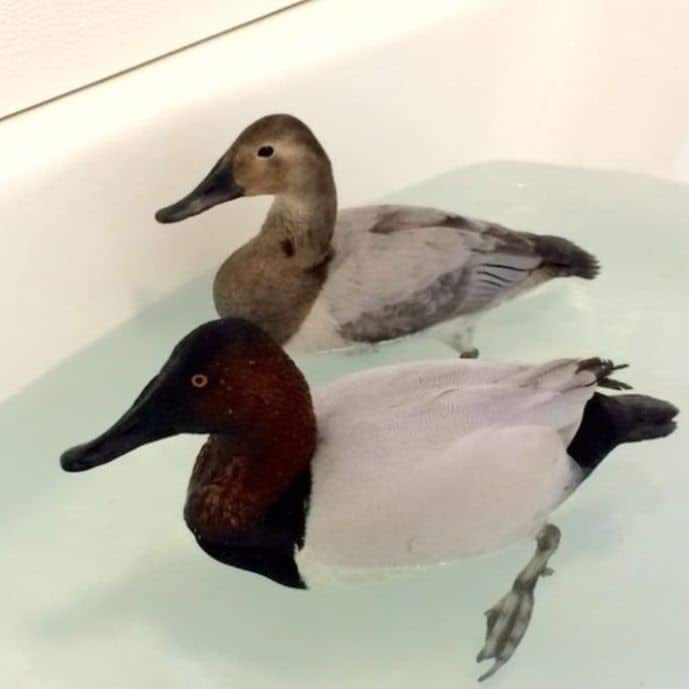
Local waterfowl are categorized into three groups: Dabblers, Divers and Sea Ducks. The dabbling ducks, like Mallards, Wood Ducks and Gadwall, are ducks that feed in shallow waters typically by dabbling (Dipping their beak into the water to pick up small plants and invertebrates) and by upending which is when they fully submerge their head under water with their tail up out of water. Diving Ducks, like Buffleheads, Mergansers and Scaup all feed by diving under water to catch plants, mollusks and fish. These ducks often prefer calmer coastal bays and sometimes can be found more inland in ponds and lakes. The Sea Ducks, like Eiders and Harlequin Ducks, also mostly feed by diving, often to deep depths in saline coastal environments.
Each duck displays unique plumage, often displaying sexual dimorphism, and many are easy to spot through a pair of binoculars! Be sure to take a look before many of these species head back north in the spring time for breeding!
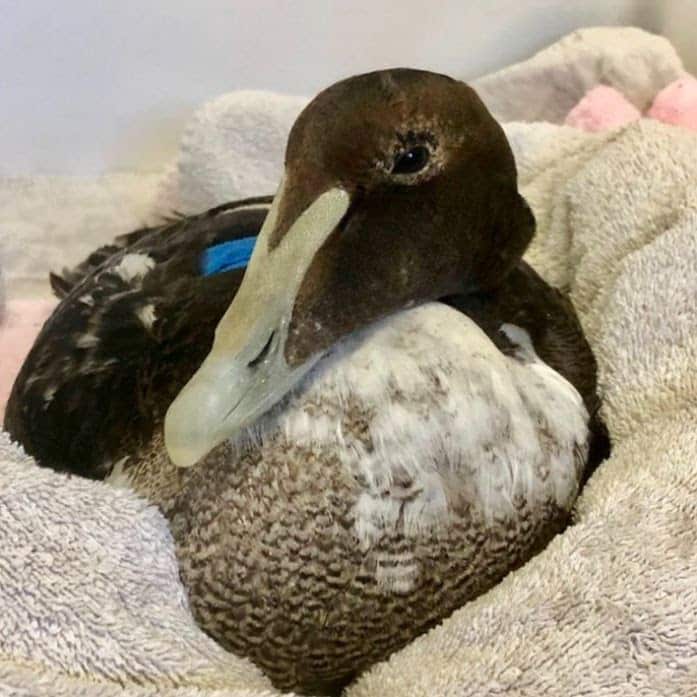
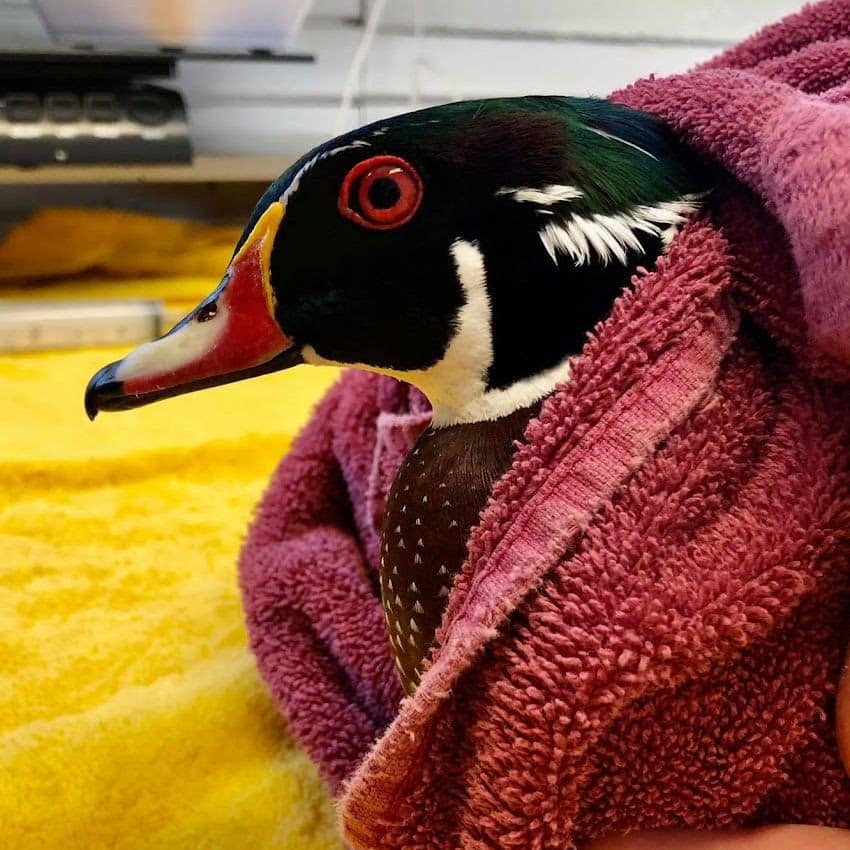
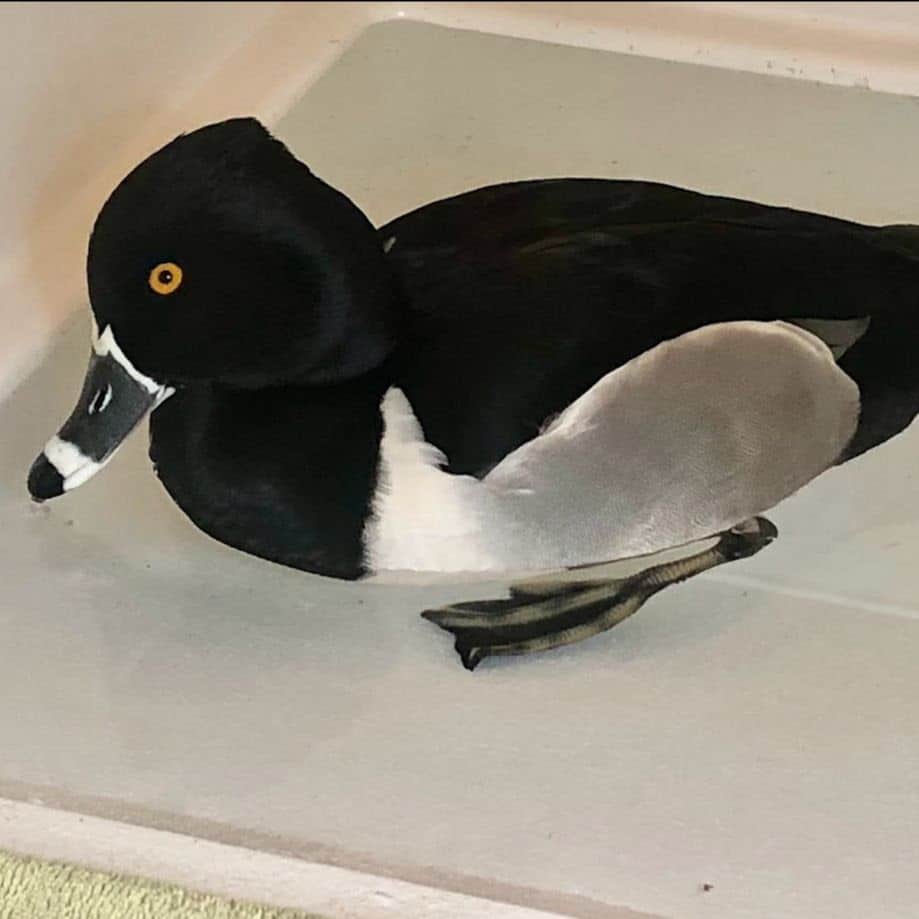
Below are some of the unique species of waterfowl we have treated at our center:
Top L: Canvasback- Male in foreground and Female in Background
Top R: Female Common Eider
Bottom L: Male Wood Duck
Bottom R: Male Ring-necked Duck
Remembering Amelia:
The Kestrel that made a difference!
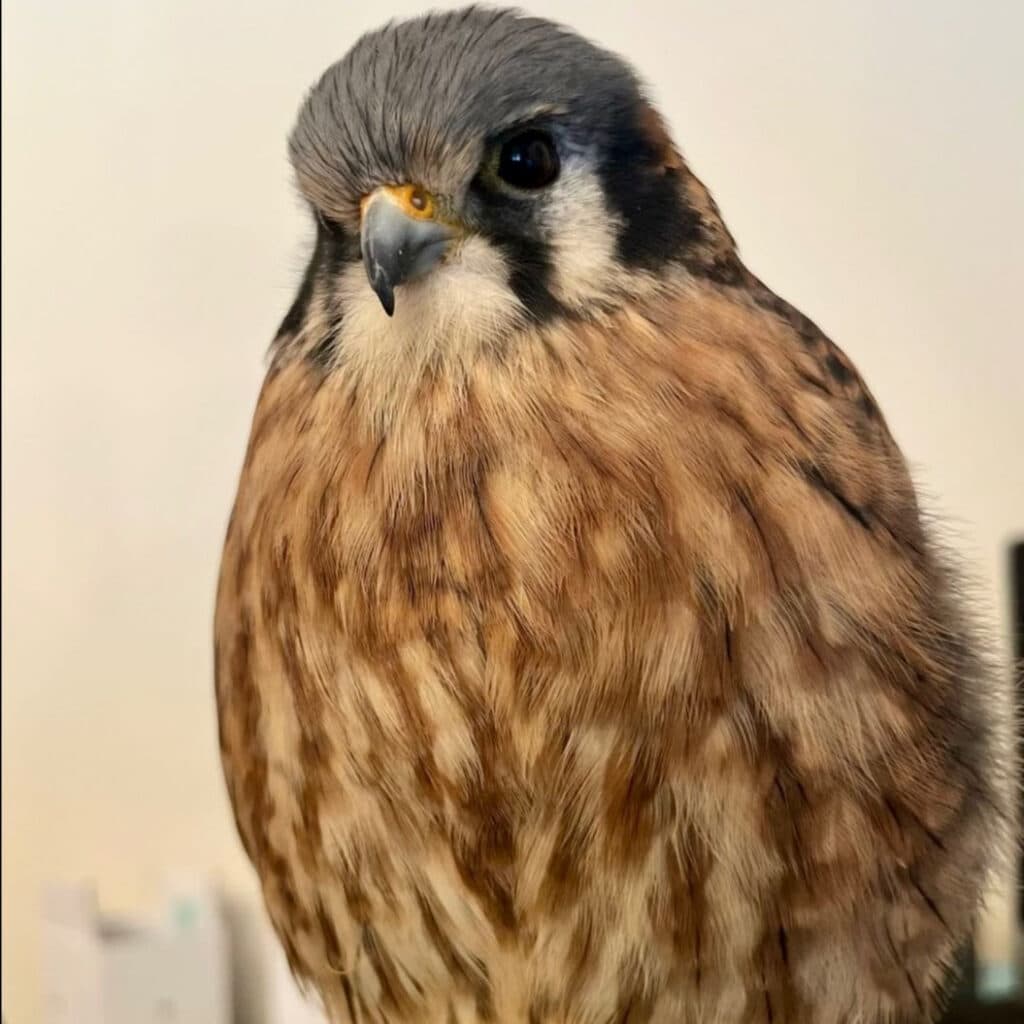
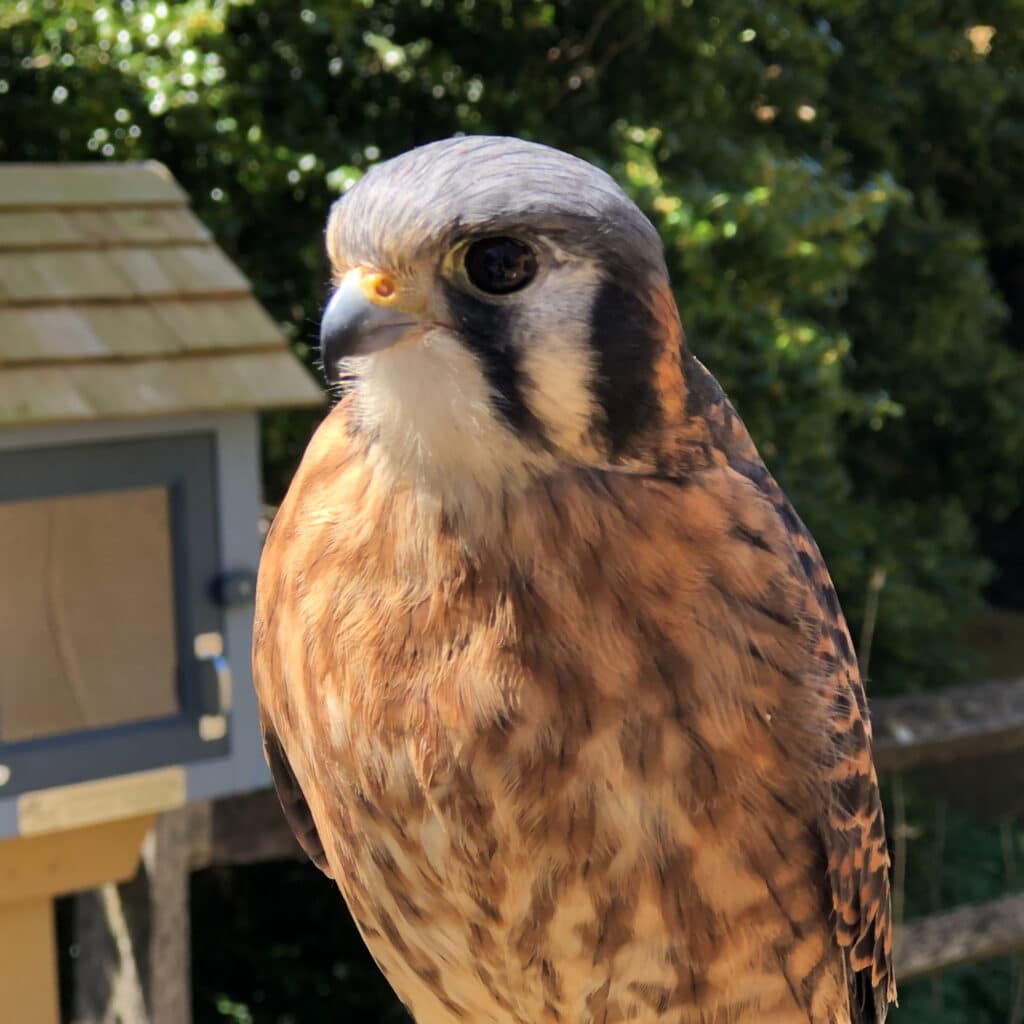
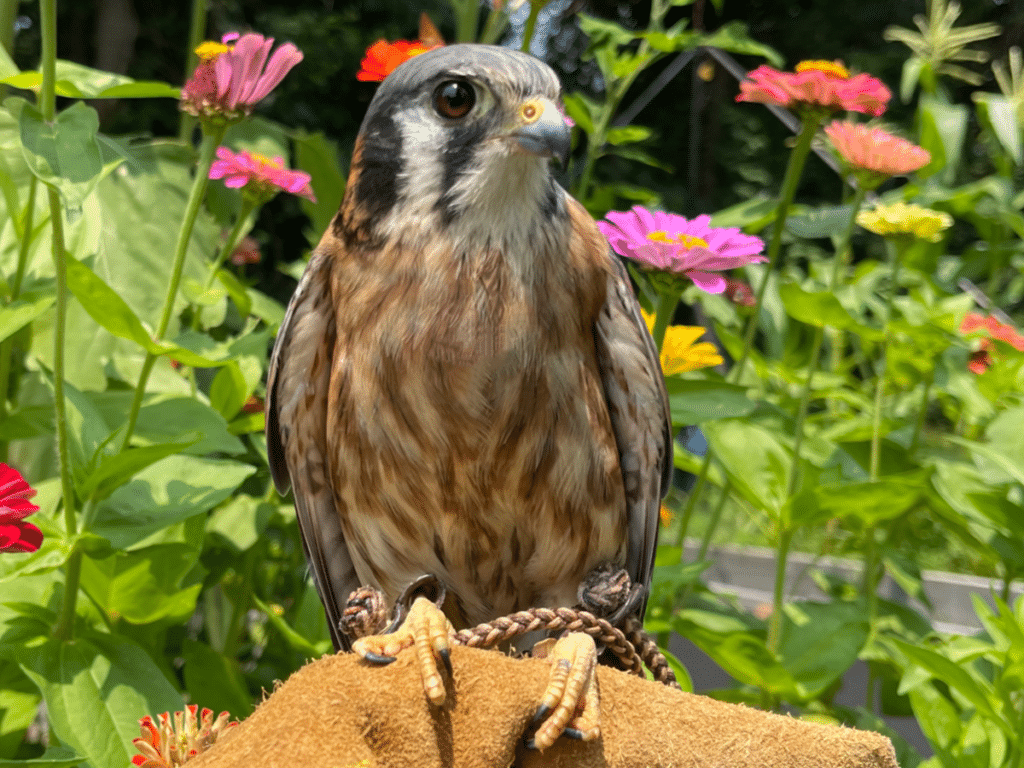
Amelia, our ambassador American Kestrel, was admitted to our center in 2013. Found on a busy street in Queens by a New York City Police Officer, Amelia was fortunate to be rescued and brought to a veterinarian in Huntington. We were quickly called to pick up the young Kestrel for rehabilitative care. Upon examination at our center, Amelia was found to be clear of any physical injuries, however, it quickly became clear that she did not possess any fear of people that a typical kestrel would show. In fact as opposed to our usual patients which want nothing to do with people, Amelia immediately began showing signs that she was quite tame. While we wish she could tell us her story, for many years it has been a mystery as to the exact story as to why this bird was so social with people. One thing was for certain, she undoubtedly had an unnatural exposure to people likely from being possessed illegally as a young bird. While this tameness rendered Amelia inappropriate for release to the wild, it made her an exceptional candidate to become an ambassador for her species.
For nearly 13 years, Amelia had the best life in captivity she could here at our center. She helped us teach hundreds of thousands of people about her species and the characteristics of raptors on our education programs at camps, libraries, schools and other community organizations. She was admired and appreciated by all she met! Amelia lived most of her life in a spacious outdoor aviary surrounded by caretakers that loved her deeply. She was an enthusiastic eater, always ready for her daily meal delivered by her caretakers. Amelia had the company of two other male kestrels during her life with us- first Buster who she lived comfortably with in his senior years and then Charlie. Although Charlie and Amelia never moved in together, it was nice for Amelia to be able to see and hear her own species.
In late December, several weeks after her final program at Wild Birds Unlimited in Syosset, Amelia began showing signs of kidney failure. Despite the medical treatments provided by our rehabilitators and Amelia’s long-time veterinarians at Animal General, Amelia passed comfortably late last week. While we know Amelia’s life in captivity could never compare to a life in wild, we know that she had a good one. Amelia will be remembered forever by all of us at the Wildlife Center and by the many people she touched in her long life with us.
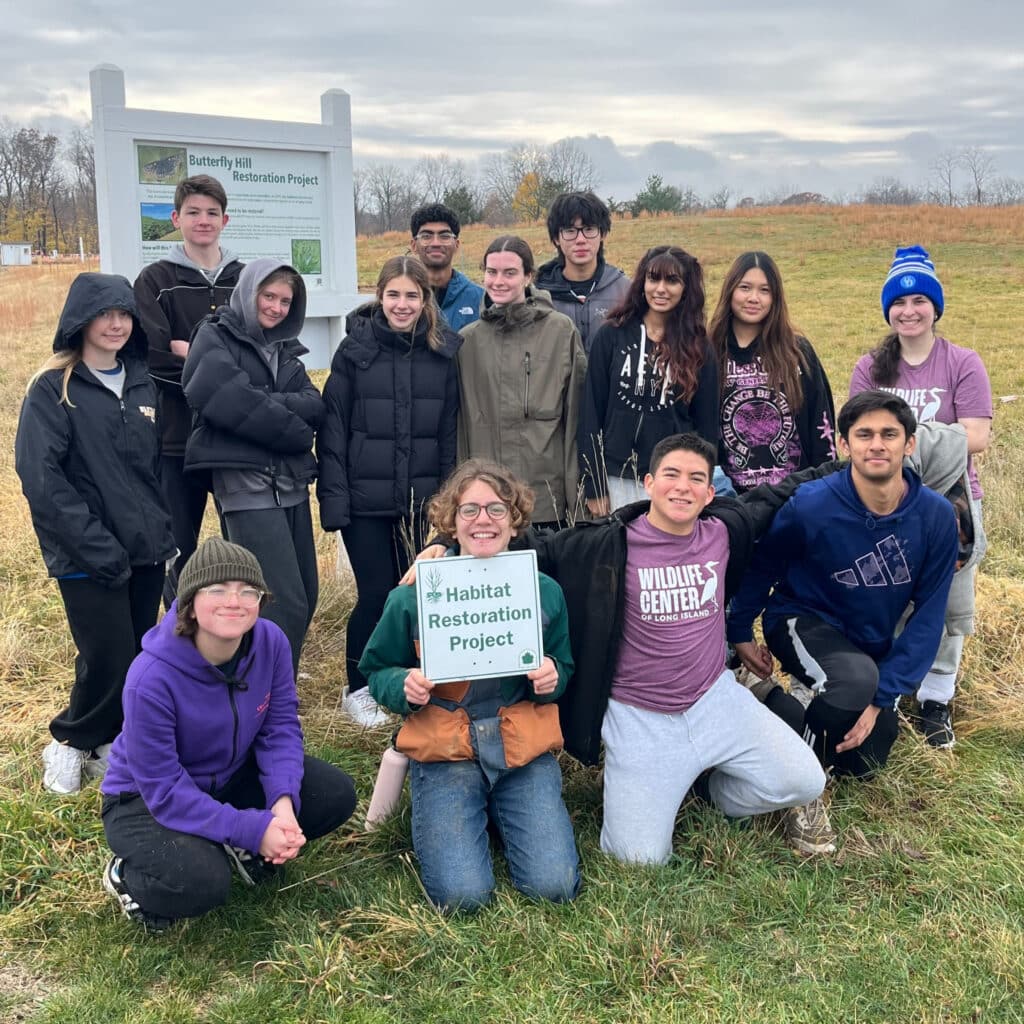
Youth Conservation Team Makes a Difference on Butterfly Hill!
Just prior to Thanksgiving, our Youth Conservation Team assisted our friends at the Caumsett Foundation with their efforts to improve native wildlife habitat at Caumsett State Historic Park and Preserve. Our team helped clear vegetation, repair fencing, remove porcelain berry roots and ready plots for planting during a beautiful fall morning. This work was focused on improving native wildlife habitat especially for a native butterfly called the Baltimore Checkerspot! Introducing our Youth Conservation Team to the many forms of wildlife and conservation work happening all over Long Island is one of our favorite parts about this program. Seeing the absolute energy and enthusiasm by these teens is so refreshing too!
Upcoming Event